The library is experiencing technical difficulties with the printers today.
Students may print on the ground floor of the Library Building, or the 2nd floor of the Voorhees Building.

News from the City Tech Library
The library is experiencing technical difficulties with the printers today.
Students may print on the ground floor of the Library Building, or the 2nd floor of the Voorhees Building.
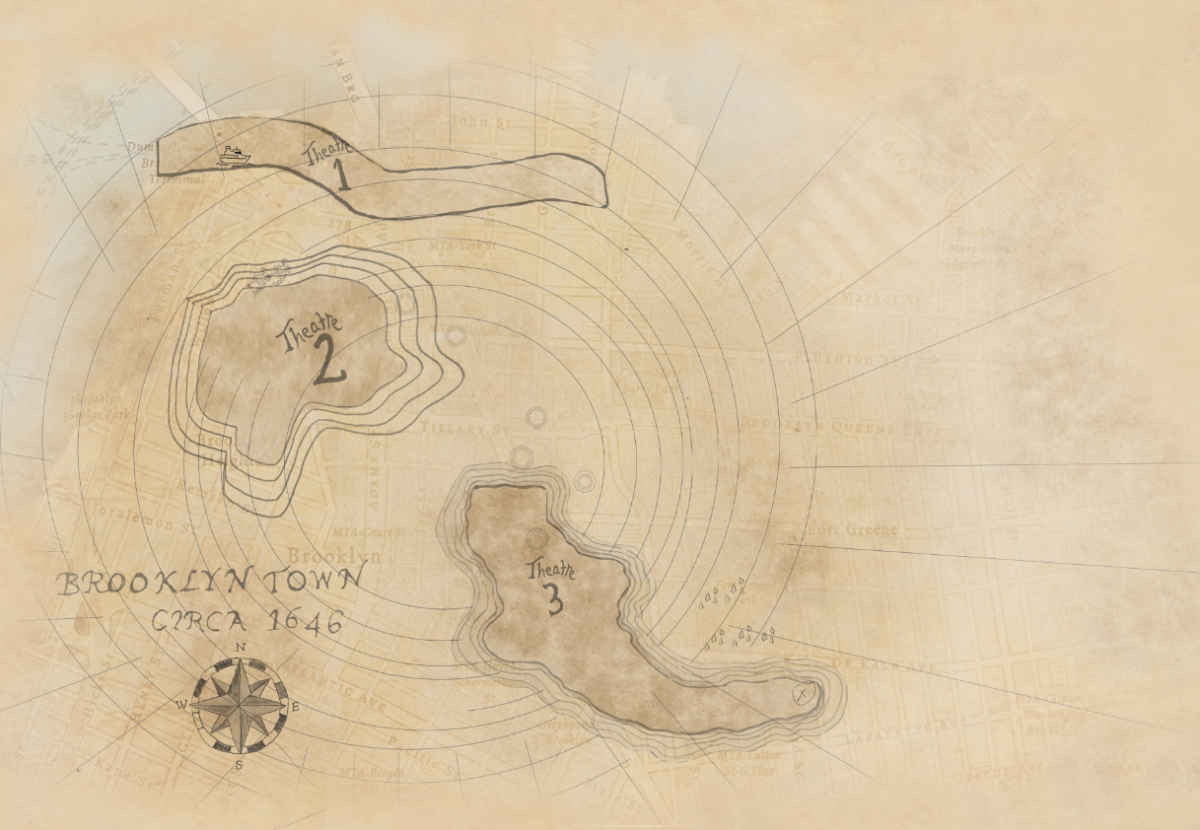 The NYC Landmarks Preservation Commission has announced “a new interactive audio tour exploring Brooklyn’s significant role in the abolitionist movement and the Underground Railroad,” entitled “More Than a Brook: Brooklyn Abolitionist Heritage Walk.” The walk is 4.5-miles and has 19 stops in Brooklyn Heights, Downtown Brooklyn, and Fort Greene. If you want to listen to the tour without the additional visual and interactive elements, the audio files are on Sound Cloud.
While City Tech Library has had a subscription to ACS Publications for several years, we’re happy to share that our agreement with the American Chemical Society now allows CUNY authors to publish open access with no additional charges.
What does this mean? CUNY authors who submit manuscripts to an ACS publication will, after acceptance of their manuscript, be given the option to make their article available open access at no extra cost upon publication. Open access publishing sometimes incurs an additional charge to the author (an article processing charge or APC); this new agreement with ACS removes that fee for CUNY authors.
This agreement only applies to submitting corresponding authors who are affiliated with institutions listed on the agreement details page. See a full list of eligible ACS publications at this link.
This new publishing arrangement provides more City Tech faculty with options to share their research immediately upon publication and meet funder requirements for open access.

We know that the week of finals can be stressful. During Finals week the City Tech Library has lots to offer:
Calculators that can be checked out and taken to class.
Extended hours.
Ask – A – Librarian 24/7 reference help, no commuting, speak to a librarian from where you are.
Free scholarly articles to complete end-of-semester projects.
Free workshops each day of finals 5/16 -5/22. They all start at noon, no registration required, join now from where you are!
5/16, 5/20, 5/22 are Unstructured Workshop Days – the learning activity is built around the attendees’ reference and research needs!
Additional details regarding workshops at the library can be obtained by emailing Prof. Prince –Nandi.Prince25@citytech.cuny.edu
Free scholarly articles to complete end-of-semester projects
Free workshops each day of finals 5/16 -5/22. They all start at noon, no registration required, join now from where you are!
5/16 – Unstructured Workshop Day
The learning activity is built around the attendees’ reference and research needs!
GET 1-2-3 ARTICLES NOW LIBRARY WORKSHOP
Don’t let last minute projects stress you out, login to today’s library workshop and leave with 2 articles!
May 17 @ noon
Database Searching Made Easier than Google
Learn how to click around a database and leave with relevant articles for your writing project.
May 18 @ noon
Library and College Jargon
Heard these terms and unsure of what they mean: Abstract, Boolean, Catalog, DOI, Peer-Review, Primary Source, Scholarly Source, Work Cited, Journals. Sign on and leave sounding like an academic library glossary.
May 19 @ noon
5/20- Unstructured Workshop Day
The learning activity is built around the attendees’ reference and research needs!
All about Newspapers
How to find local,regional and international newspapers. Citing Newspapers. Primary & Secondary Sources.Reviews.
May 21 @ noon
5/22 – Unstructured Workshop Day
The learning activity is built around the attendees’ reference and research needs!
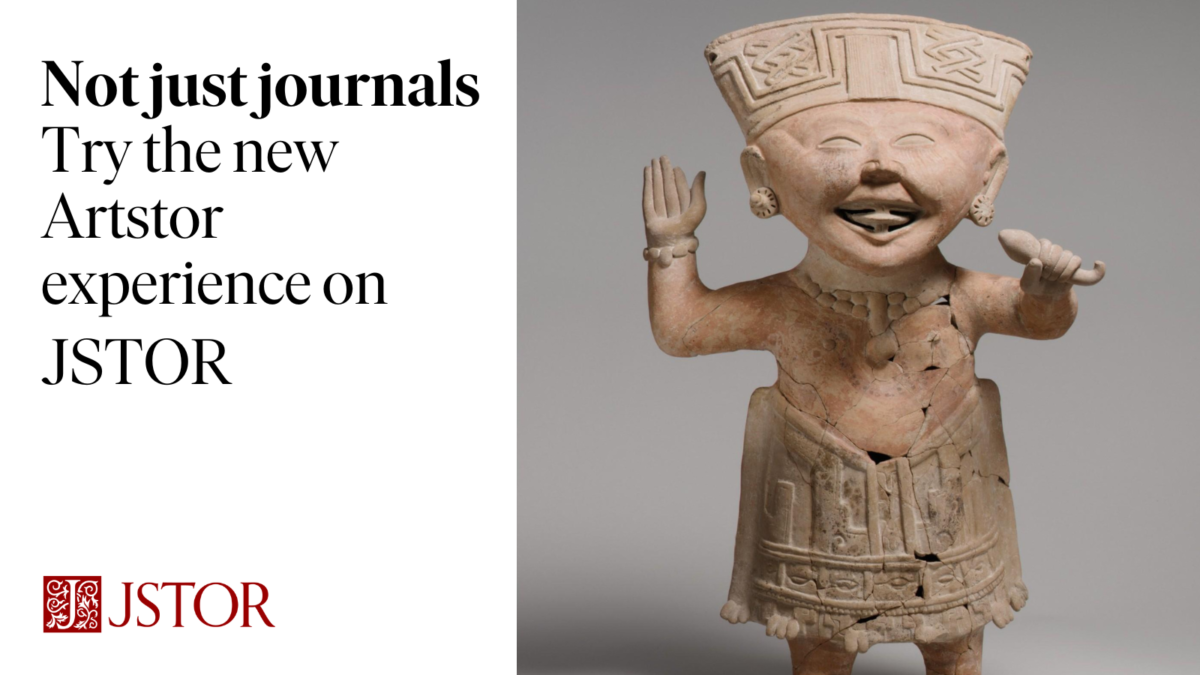
Artstor is now available in its new home on JSTOR! When you search JSTOR, you will find Artstor’s 2+ million licensed images and more than 1,700 additional primary source collections alongside JSTOR’s vast collection of books, journal articles, and research reports. And, with JSTOR’s unique Workspace tool, you can easily save, organize, and teach with Arstor images alongside other JSTOR content in one convenient workflow.
On August 1, 2024, the legacy Artstor website will be retired. If you use Artstor, you’re invited to get started on JSTOR now – check out the Artstor on JSTOR welcome page for everything you need to make your move. If you’ve never used Artstor before, now is a great time to try it out. Visit the Artstor on JSTOR LibGuide, or jump right in with an image search.
Visit City Tech Library’s JSTOR subscription to get started.
Interested in more info about teaching with visual material? Explore JSTOR’s Learning to Look blog and check out their YouTube playlist for getting started with Artstor images in JSTOR.

Open Publishing
Friday May 10, 12:00-1:00 PM
Faculty Commons, registration tba
There are many paths to open! Learn about resources from CUNY and City Tech library that facilitate authoring preprints, open access monographs and journals, open textbooks, OER, and more. Open publishing makes your research and teaching materials freely available which benefits the broader community and increases your visibility as a scholar and educator.

May is designated as Asian American, Native Hawaiian and Pacific Islander Heritage (AANHPI) Month. In 2021, it was previously known as Asian American Pacific Islander (AAPI) Heritage Month. It started when Jeanie Jew, a Capitol Hill staffer, shared the idea with Rep. Frank Horton who introduced the legislation in 1992.
City Tech and the Library will be celebrating AANHPI Month in various ways. On Thursday, May 2nd, there will be a panel discussion how to combat Anti-Asian hate at the Academic Complex, Rm. A105 at 2:00PM. According to Stop AAPI Hate, there have been over 11,000 reported instances of violence against Asian Americans since 2020. Learn more about the panel.
The library will also host weekly films to celebrate the month from the library’s collection in the Multimedia Screening and Meeting Space:
Thursday, May 9, 2:30PM – Asian American Stories of Resilience and Beyond Parts 1 & 2 (58 minute runtime)
A series of short PBS documentaries that highlight Asian American life and experiences
Thursday, May 16, 2:30PM– Rising Against Asian Hate: One Day in March (54 minute runtime)
“Following the aftermath of the March 2021 mass shootings at three spas in Atlanta, this film chronicles how the Asian American community came together to fight back against hate.”
Wednesday, May 22, 2:30PM – Breaking the Model: Asian American Shorts Collection “Breaking the Model: Stories of Asian American History and Presence brings together four different short documentaries exploring immigration, genealogy, gentrification and resilience within America.”
Can’t make the screenings? You can access these through the library’s subscription to Alexander Video Online (AVON).
For more information, contact Prof. Junior Tidal – jtidal@citytech.cun.edu
The library will have modified hours during spring break.
Spring Break runs Monday 4/22 through Tuesday 4/30. The library is open 9:00AM – 5:00PM, and will be closed Saturday and Sunday, April 27th and 28th respectively.
Regular hours resume on Wednesday, May 1.
Enjoy the break!
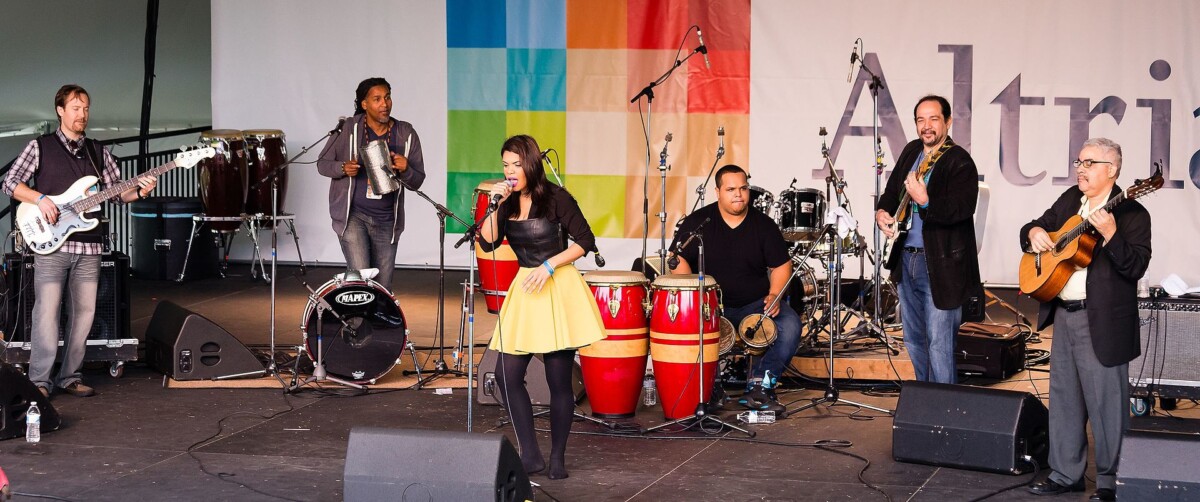
Bachata is a famous style of Latin music from the Dominican Republic. CUNY’s Dominican Studies Institute at City College created an exciting, interactive website devoted to the history of Dominican Music in the US.
Students: are you interested in Dominican culture in general or want to do some related research? The Institute created a library guide.
This post is part of the library’s #CityTechSoundsGood/#CityTechSuenaBien grant. We have some exciting musical news related to the grant to share soon!
 Author Identifier (ORCID) for Publishing and Grantsmanship
Thursday May 2, 3:00-4:00 PM
ORCID IDs are author identifiers. They are especially helpful to authors with names that are more common but they have other benefits including speedier registration in systems for submitting articles, reviewing, and grant applications. Grantees who use their ORCID when applying for a grant help to assure that funders connect your funding program to your scholarship. ORCID also helps potential funders to efficiently review your publications.
Registration
The OpenLab is an open-source, digital platform designed to support teaching and learning at City Tech (New York City College of Technology), and to promote student and faculty engagement in the intellectual and social life of the college community.